
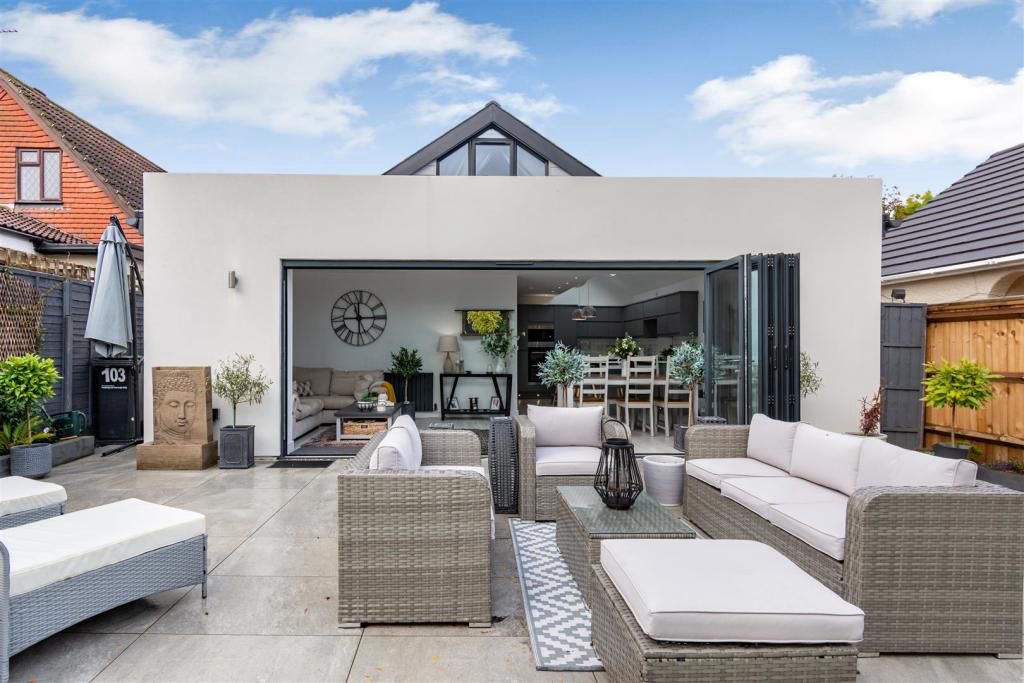
House extensions have become one of the most popular ways for homeowners across Kent to create additional living space without the stress and cost of moving house. Whether it’s extending the kitchen, creating an open-plan living area, or adding more room for a growing family, an extension can transform how a home functions and significantly increase its value.
However, many homeowners underestimate how many stages are involved in delivering a successful extension project. Understanding the process can help you plan properly, avoid delays and ensure the build progresses smoothly from start to finish.
Below we explain the six key stages involved in building a house extension, from the initial planning phase through to the final completion.

1. Planning and Initial Design
Every successful extension begins with a clear plan. This stage involves discussing the overall goals for the project, assessing the property and understanding how the new space will integrate with the existing structure.
Many homeowners work with architects or designers to create drawings showing the layout, structure and dimensions of the extension. These drawings are often required when applying for planning permission or building regulation approval.
At this stage it is important to consider factors such as natural light, access to the garden, and how the extension will affect the overall flow of the home.
If you are planning an extension, it can also be helpful to speak with an experienced contractor early in the process to understand practical construction considerations and site requirements.
2. Site Preparation and Groundworks
Once plans are approved and the project is ready to begin, the first stage of construction starts with site preparation.
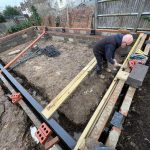
This typically includes clearing the working area, marking out the footprint of the extension and preparing the ground for excavation. Groundworks form the foundation of the entire project and ensure the extension will be built on stable and properly prepared ground.
Depending on the site conditions, this stage may involve excavation, adjusting existing drainage systems and preparing the area where foundations will be installed.
You can learn more about this stage on our Groundworks page.
3. Foundations and Structural Base
Foundations are one of the most important structural elements of any extension. They support the entire weight of the building and ensure the structure remains stable over time.
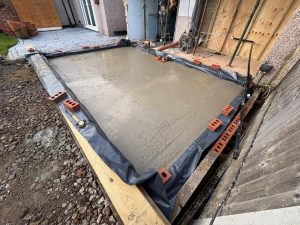
Trench foundations are commonly used for residential extensions and are filled with reinforced concrete to provide a strong base for the structure. The depth and design of the foundations will depend on factors such as soil conditions, nearby trees and the existing building.
Building control inspections typically take place during this stage to confirm the foundations meet required structural standards.
If you would like to understand more about this stage, visit our Extension Foundations page.
4. Building the Extension Structure
Once the foundations are complete, construction moves on to building the structural walls of the extension.
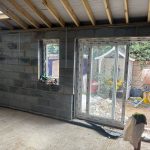
This stage involves brickwork or blockwork construction, forming openings for windows and doors, and installing structural supports such as steel beams where required. As the walls rise, homeowners begin to see the extension taking shape and how it connects to the existing property.
This phase is often one of the most exciting parts of the project because the new space becomes clearly visible.
5. Roofing, Windows and Weatherproofing
After the structural walls are complete, the roof structure is installed. The design may include a pitched roof, flat roof or roof lantern depending on the extension layout.
Once the roof is constructed, windows and doors are fitted to seal the building from the weather. At this point the extension becomes weatherproof and internal works can begin.
Roof installation, glazing and insulation all play an important role in ensuring the extension is energy efficient and comfortable to use throughout the year.
6. Internal Works and Finishing
The final stage focuses on the interior of the extension. This can include electrical work, plumbing, insulation, plastering and flooring installation depending on the design.
If the extension includes a kitchen or living area, this is also when fittings and finishing details are installed. Once complete, the extension becomes a fully functional part of the home.
Many extensions also involve external finishing works such as Driveways and Patios to improve the surrounding outdoor space and ensure the new structure integrates well with the existing property.
Building an Extension the Right Way
Building a house extension involves far more than simply adding extra space. Each stage of the process plays a vital role in ensuring the finished structure is safe, durable and built to last.
For homeowners across Kent planning an extension, working with experienced contractors who understand both groundworks and structural building work can make a significant difference to how smoothly the project runs.
With the right planning, proper foundations and skilled construction, an extension can transform your home and create valuable new living space for years to come.
If you are considering an extension project, our team at Kent Specialist Groundworks are always happy to discuss your plans and provide guidance on the next steps.